Off-site lesson with Agnese Angelini
Ah, the Vatican. Getting around it in one go (especially after half a day of lessons) is exhausting, so updates to this post are to come at some point.. when I decide to come back on my own.
For now – here is what I learned during the off-site art history lesson !
Established: 1506
Type: art museum
Website: www.museivaticani.va
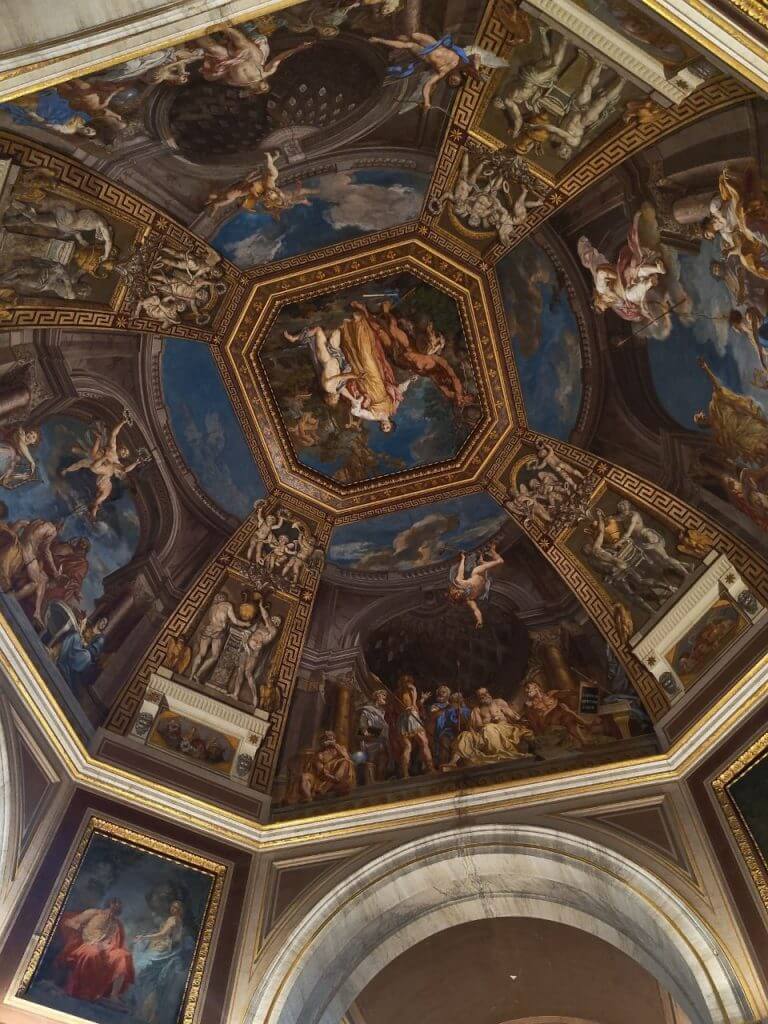
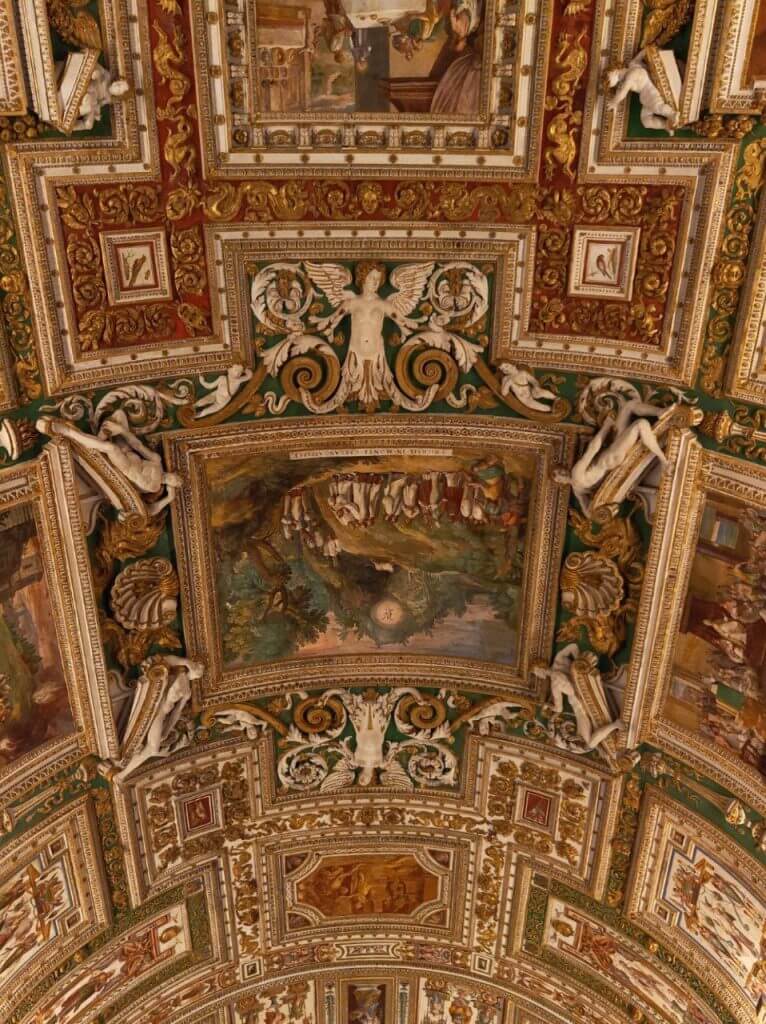
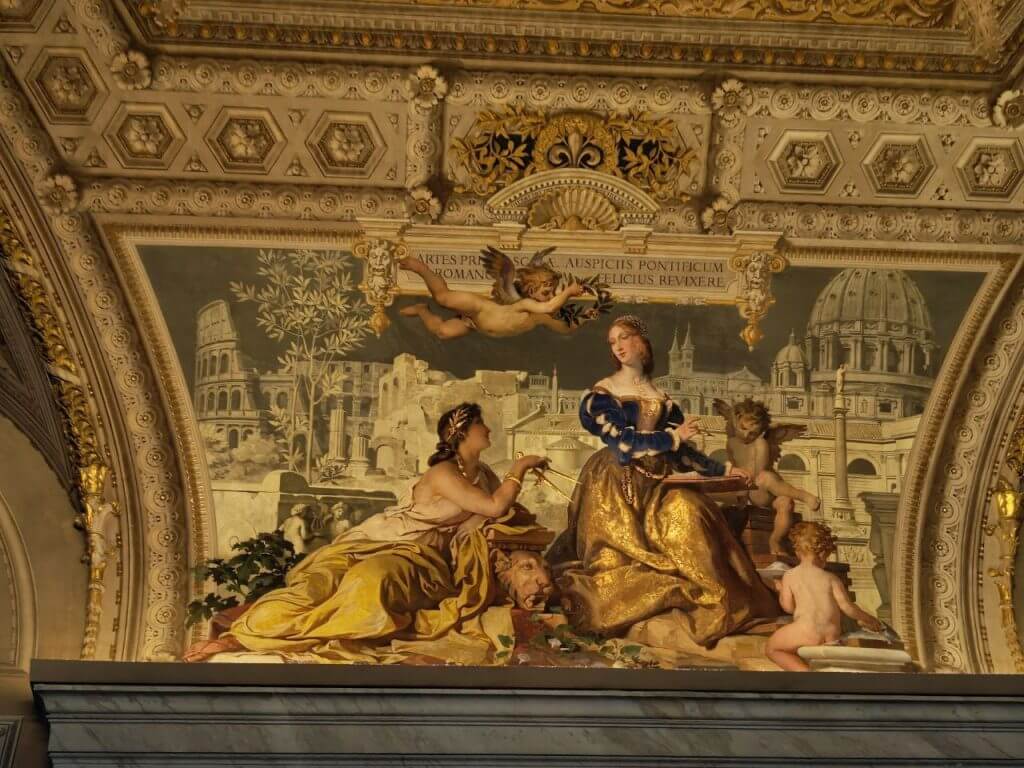
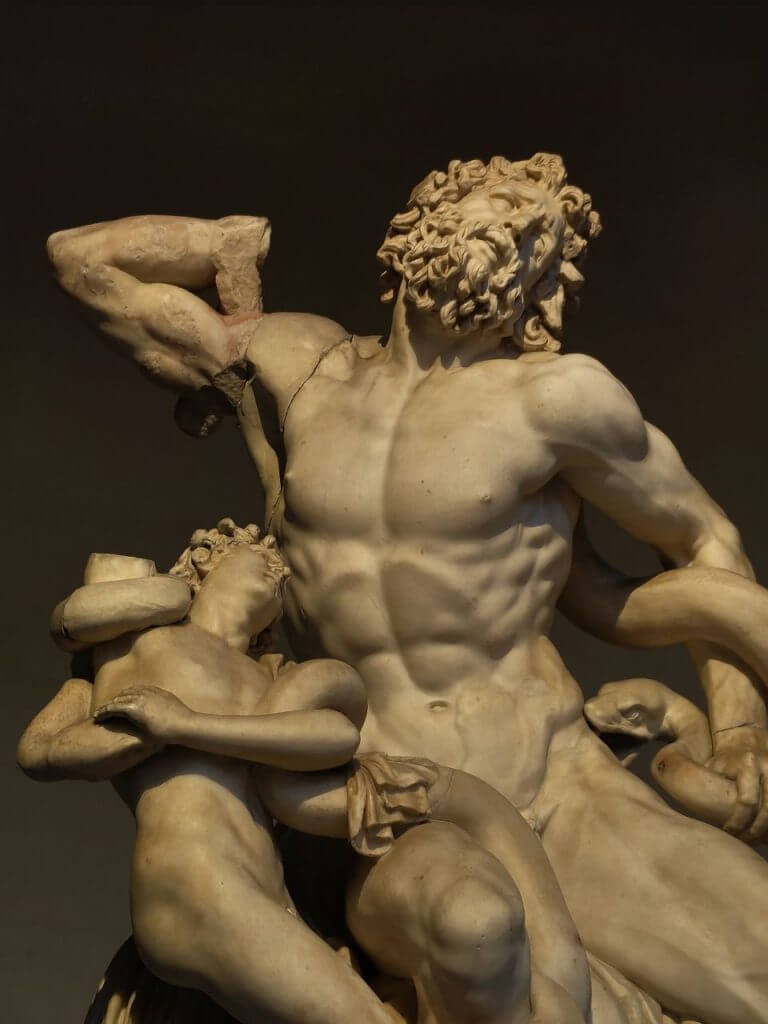
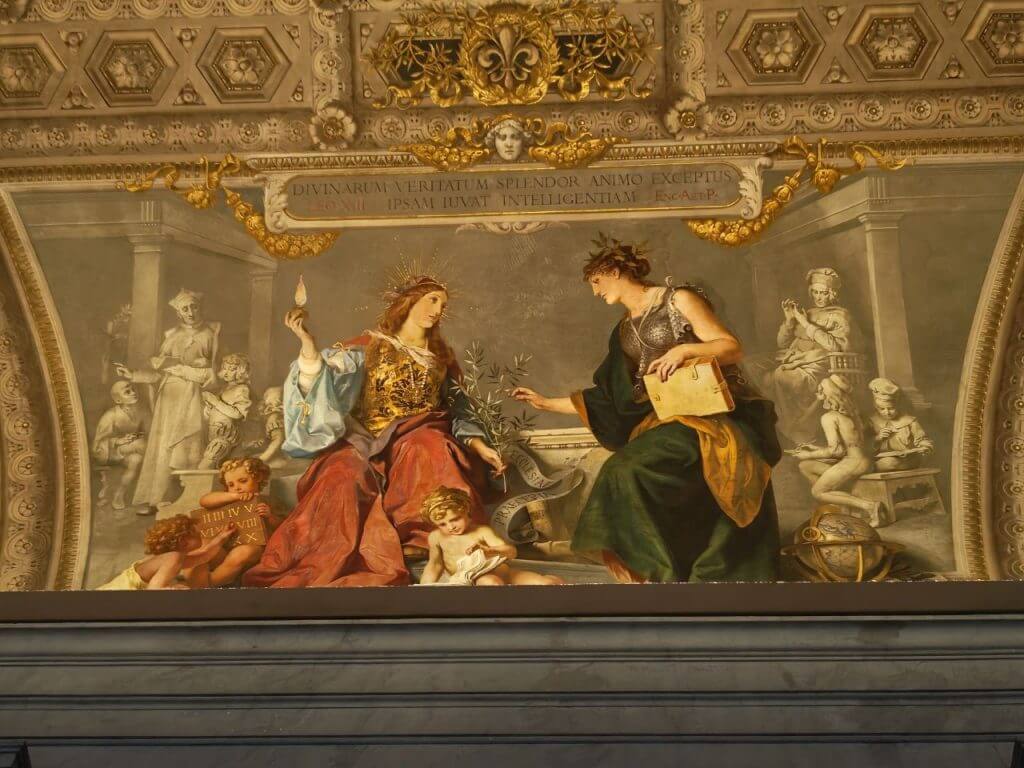
Pope Julius II founded the museums in the early 16th century. The Sistine Chapel, with its ceiling and altar wall decorated by Michelangelo, and the Stanze di Raffaello (decorated by Raphael) are on the visitor route through the Vatican Museums !
The Sistine Chapel
Built between 1473 and 1481.
Since that time, the chapel has served as a place of both religious and functionary papal activity. Today, it is the site of the papal conclave, the process by which a new pope is selected!
The chapel has incredible frescoes by Michelangelo. Let’s check ’em out.
Affiliation: Roman Catholic
Type: Church
Leadership: Francis
Year consecrated: 15 August 1483

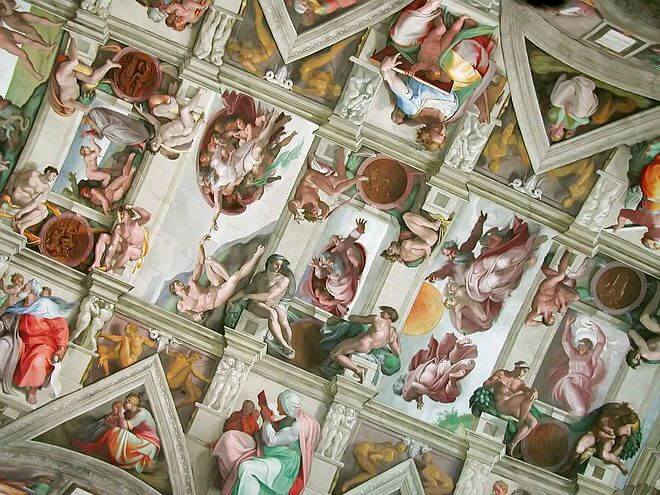
The ceiling. The best part.
Michelangelo painted it after he was commissioned by the Pope. The way he did this was by using a construction:
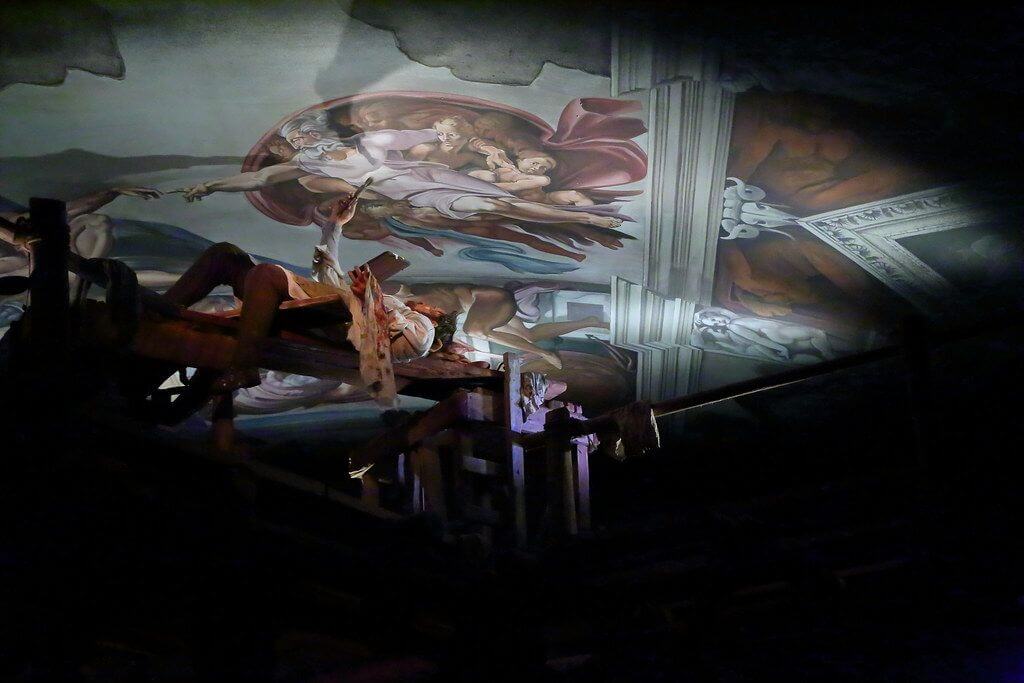
*Contrary to popular belief, he did not lie on this scaffolding while he painted, but painted from a standing position.
To be able to reach the ceiling, Michelangelo needed a support; the first idea was by an architect named Donato Bramante, who wanted to build for him a scaffold to be suspended in the air with ropes. However, Bramante did not successfully complete the task, and the structure he built was, well, bad. Michelangelo laughed when he saw the structure, and believed it would leave holes in the ceiling once the work was done. He asked Bramante what was to happen when the painter reached the perforations, but the architect had no answer.
At last, the Pope ordered Michelangelo to build a scaffold of his own. Michelangelo created a flat wooden platform on brackets built out from holes in the wall, high up near the top of the windows.
If you look closely, you can see that at the beginning the fresco “blocks” look more detailed, have more characters in them. However that changes the closer you get to the middle. At some point Michaelangelo took a look at the ceiling from the ground and realised that you could not make out the scenes, they were too complicated! So, as we move towards the middle of the ceiling, we can notice how the number of characters and details decreases.

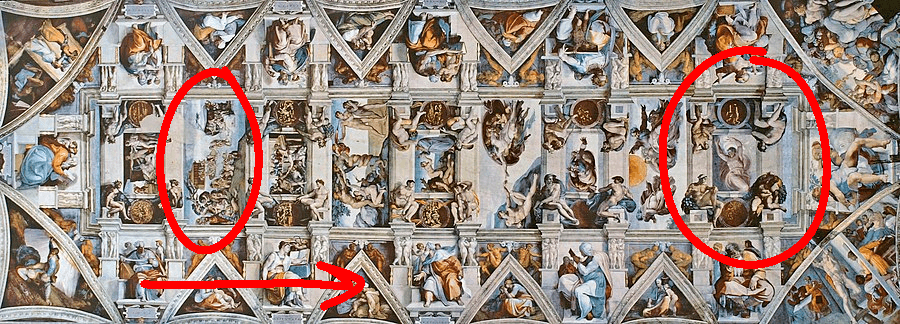
This only proves that even the masters sometimes have to step back and look at their work from a different perspective.